

The short answer
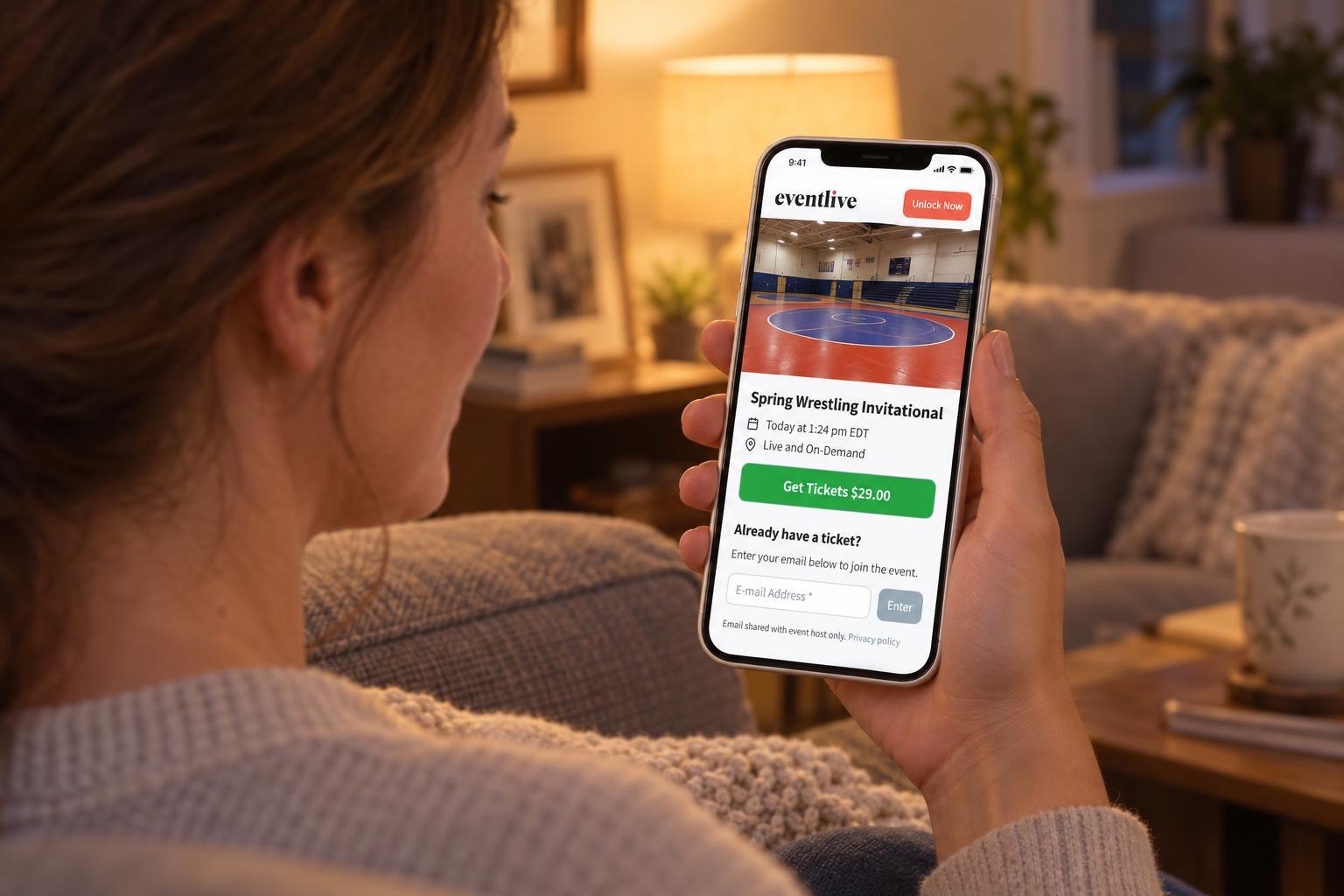
The most reliable way to make money live streaming is to sell tickets to an event people already care about: a tournament, a recital, a concert, a class. Viewers pay by card on your event page, and the money goes to your own Stripe account. On top of that you can sell day passes, the replay and video downloads, find sponsors, raise donations for a charity, or get paid to stream other people's events. You don't need followers: your audience is the people who would have come in person.
Most advice about making money from live streaming is about creator apps: build a following, then hope for gifts, tips and ad money. This guide is about something quicker. If you run or film events that people already care about, the audience is there before you go live. The families of the players, the fans of the band and the members of the club want to watch, and many of them will pay.
Here are seven ways to earn from a live stream of an event. After them come the numbers, a setup checklist and a message you can copy to sell your first tickets.
Creator apps or your own event: two different ways to earn
Before you choose a way to make money, decide which kind of streaming you're doing.
| Creator apps (TikTok LIVE, YouTube, Twitch) | Your own event stream | |
|---|---|---|
| Who watches | Strangers who find you on the app | People who know the event: families, fans, members |
| How you're paid | Gifts, tips, subscriptions and ad shares, under the app's rules | Tickets, passes, replays and downloads you price yourself |
| What you need first | A following, and the app's eligibility rules | An event and a link to share |
Creator apps can pay well once you have a large audience, and they're the right place to build one. If you already have an event, you don't need to wait: the seven ways below work from your first stream.
7 ways to make money live streaming events
Tickets come first, and the others build on them. You can use several on one event: a weekend tournament might sell passes, the replay and downloads, with a sponsor's name in the pinned message.
1. Sell tickets to watch live
This is pay-per-view: viewers buy a ticket on your event page and then watch the stream. It suits anything people would pay to attend: tournaments, recitals, concerts, fight nights, classes, workshops and conferences.
On EventLive you connect your own Stripe account to the event, set the price and share the link. Viewers pay by card on the event page and come back with their purchase email. Ticket money goes to your Stripe account, not ours. There are three ways to set the price:
- A fixed price that you type in.
- A price you already set up in Stripe, which lets you use Stripe promotion codes.
- Pay what you want: viewers choose the amount, which works well for community events and benefit concerts.
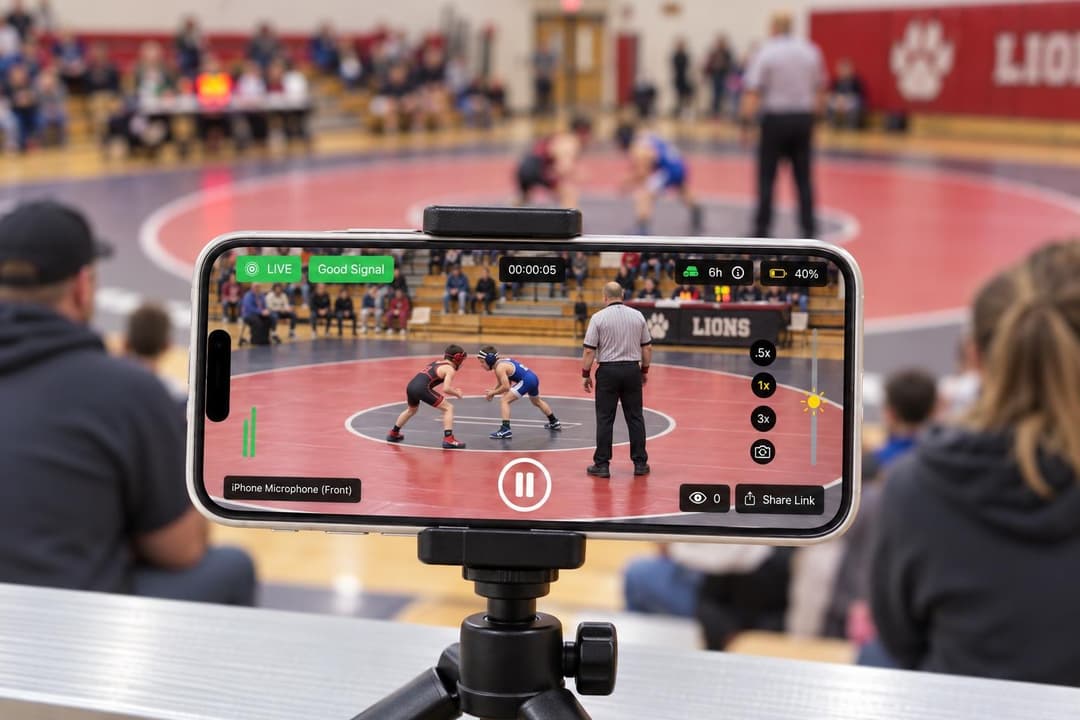
"We stream all our tournament weekends now. Parents who can't make the trip buy tickets to watch from home, and we've generated over $3,000 in extra revenue this season. It's a win-win."
— Mike T., Youth Wrestling League Director
How to sell tickets for a livestream event
2. Sell day passes for events that last more than a day
A weekend tournament, a three-day conference or a festival can sell more than one kind of ticket:
- All-days access for the whole event.
- Single-day access for people who only want Saturday. A day ticket lasts 24 hours from that day's scheduled start.
If you stream several courts, stages or rooms at the same time, you also choose how they're sold: one ticket for all of them, like a weekend pass, or a separate ticket for each, so the family of a player on Court 3 pays only for Court 3. Viewers switch between rooms with tabs on one event page. Multi-room events
3. Sell the replay to people who missed it
Plenty of people can't watch at the time: they're working, they're in another time zone or the match started late. After the event, viewers can buy replay access, at the event's price or at a separate replay price you set.
If you'd rather keep the event live only, turn the replay off. Will a replay be available after the event?
4. Sell the video as a download
Performers, players and their families often want to keep the video. You can offer a download with the ticket, as an add-on at checkout. It works even on a live-only event: there's no online replay, but people can still buy the file afterwards. Can guests download event videos?
5. Find sponsors for the stream
A local business that sponsors your team or your festival will often pay a little more to be seen by everyone watching online. What you can offer them on EventLive:
- A mention in a pinned message at the top of the guestbook or chat, which every viewer sees. Pinned messages
- Their name or logo in the cover picture that viewers see before the stream starts. Change the cover picture
- A link to their website in the event details.
- Free access for the sponsor's staff through the guest list.
And on camera: a banner at the venue, a thank-you from the announcer and their logo on the scoreboard all reach the stream too.
6. Raise donations for a nonprofit
For a charity event, a school fundraiser or a benefit concert, add a Donate button next to your stream. EventLive's built-in fundraising runs on Pledge: you choose up to 20 nonprofits, viewers donate in their browser, and every donor gets a tax receipt. A live tracker on the video shows how much you've raised.
One thing to know: donations go to the charity, not to you or to EventLive. On a ticketed event, the ticket page also shows "Can't attend? You can still support…", so people who can't watch can still give. Fundraisers and donations for nonprofits
7. Get paid to stream other people's events
The other way to earn is to be the one who streams. Videographers, AV companies, photographers and tech volunteers charge their clients for streaming weddings, funerals, graduations, conferences and services. Many add it as a line in their packages.
With a business account, your own logo replaces ours on every event page, so clients see your brand. If a client sells tickets, choose Copy link to connect Stripe and send it to them: they connect their own Stripe account, and the ticket money goes to them. Live streaming for videographers
How much can you make?
Start with how many people would really pay. A useful guess is the people who would have come but can't: grandparents, parents who are working, fans in other cities.
An example: a dance studio's recital, where 60 families buy a ticket at $15. That's $900 in ticket sales, before EventLive's ticketing fee and Stripe's card fees. If 20 of those families also add a download, that adds more. Your numbers depend on the event, the price and how well you tell people.
Current fees are on the pricing page, and PPV event fees explains who pays them.
A few things that move the numbers most:
- Price below a seat in the room. Viewers don't travel and don't get the atmosphere, and a lower price sells more tickets.
- Tell people early, then remind them. Send the link a week or two ahead and again the day before: people who meant to buy often forget.
- Make the stream worth paying for. Good sound, a steady camera and a reliable connection matter more than a fancy setup.
Set up a paid stream, step by step
Before you sell tickets
A message to sell your first tickets
Send it by email, post it in your group chat and put it on your social pages. Then send it again a day before.
Tickets are {price}. Watch on any phone, tablet or computer, or cast it to your TV, with no app to install.
Buy yours here: {event link}
The replay will be online afterwards too, so you can watch whenever suits you.
Get paid
Ticket payments go to the Stripe account connected to the event, and Stripe pays them out to your bank on your account's normal schedule. Stripe needs to work in your country, so check that before you plan a paid event.
You can stream a free test as often as you like before the real event, so try the camera, the sound and the connection at the venue before you tell anyone.
“Ease of use, continued development on features, pay-per-event pricing, and the unbelievable customer service keeps me coming back to them over and over. Any time a client is needing a livestream, I push Eventlive as the platform we should use.”